Engineering

A system you can trace.

Follow the work from the screen to RTOS tasks, hardware drivers, Wi-Fi services, Node-RED cloud flows, signed OTA policy, release tooling, and validation evidence.

Guided architecture map

Choose a path through the system.

Each route lights up the layers that made Velo more than a single-screen prototype.

01live
Product UIExperience
02
RTOS TasksRuntime
03
DriversHardware
ServicesDomain
Node-RED CloudCloud
A/B OTARecovery
Signed ManifestSecurity
Release ToolTooling
Validation EvidenceProof

From board to product

The system has hardware evidence.

PCB, signal capture, and assembly photos make the engineering path tangible before the page moves into the deeper failure stories.

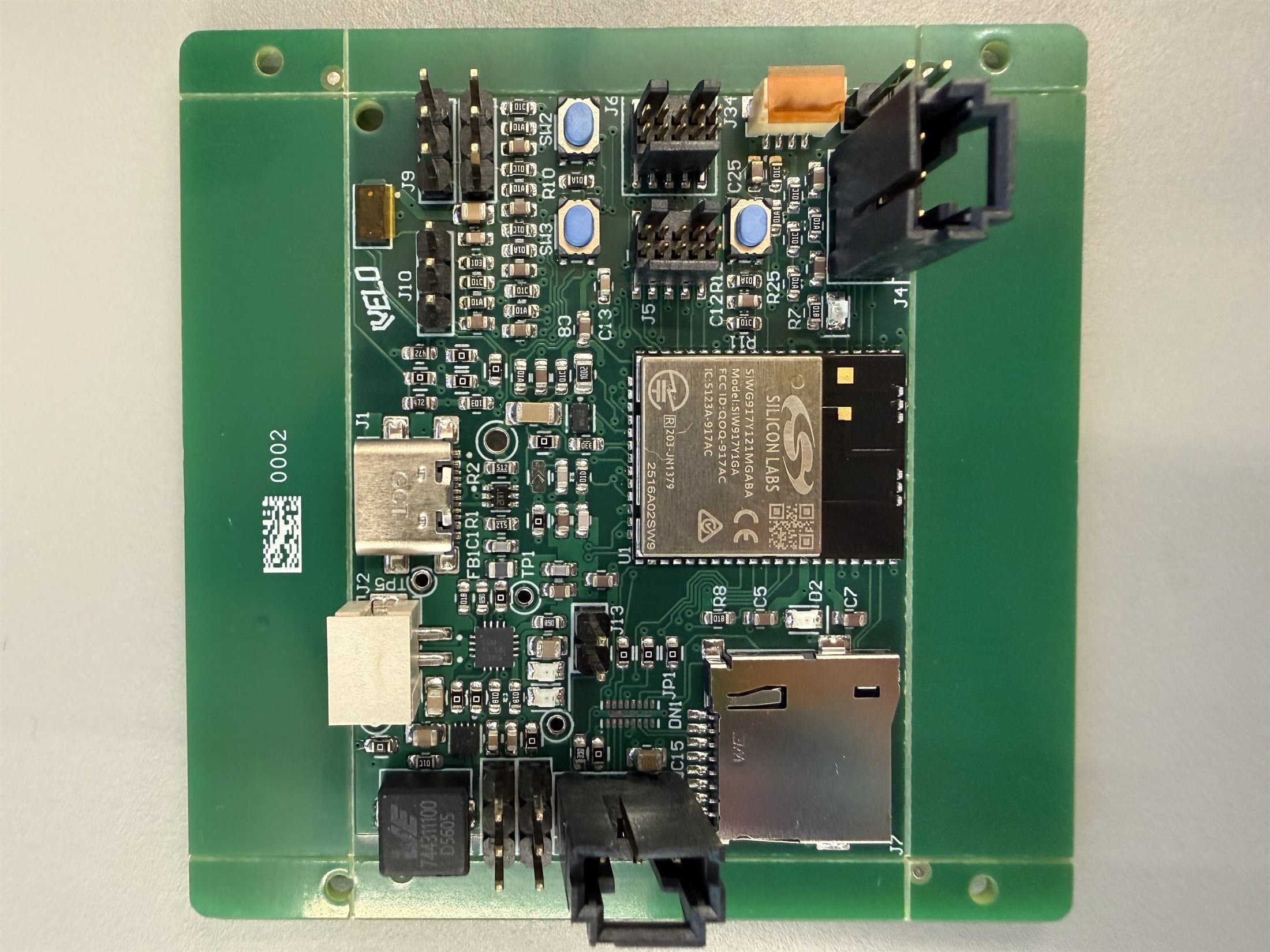
Velo custom PCB photographed on a light background.

PCB

The custom board made the project physical.

A clean board photo anchors the firmware story in real hardware rather than a simulator.
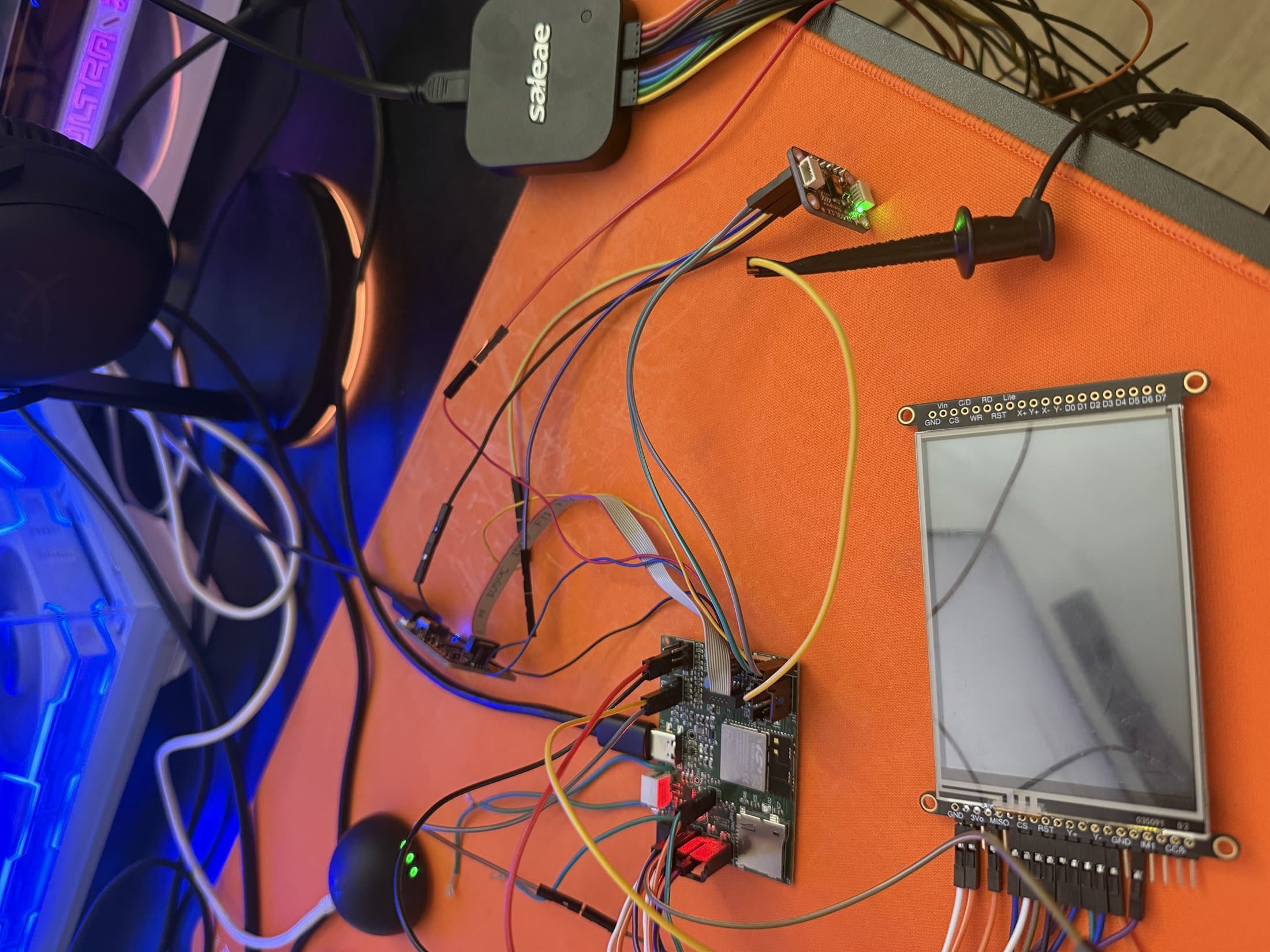
Logic analyzer and wires connected during early Velo signal debugging.

Bring-up

Signals were measured, not guessed.

Logic-analyzer and wiring evidence shows the debugging path behind display, touch, and sensor behavior.
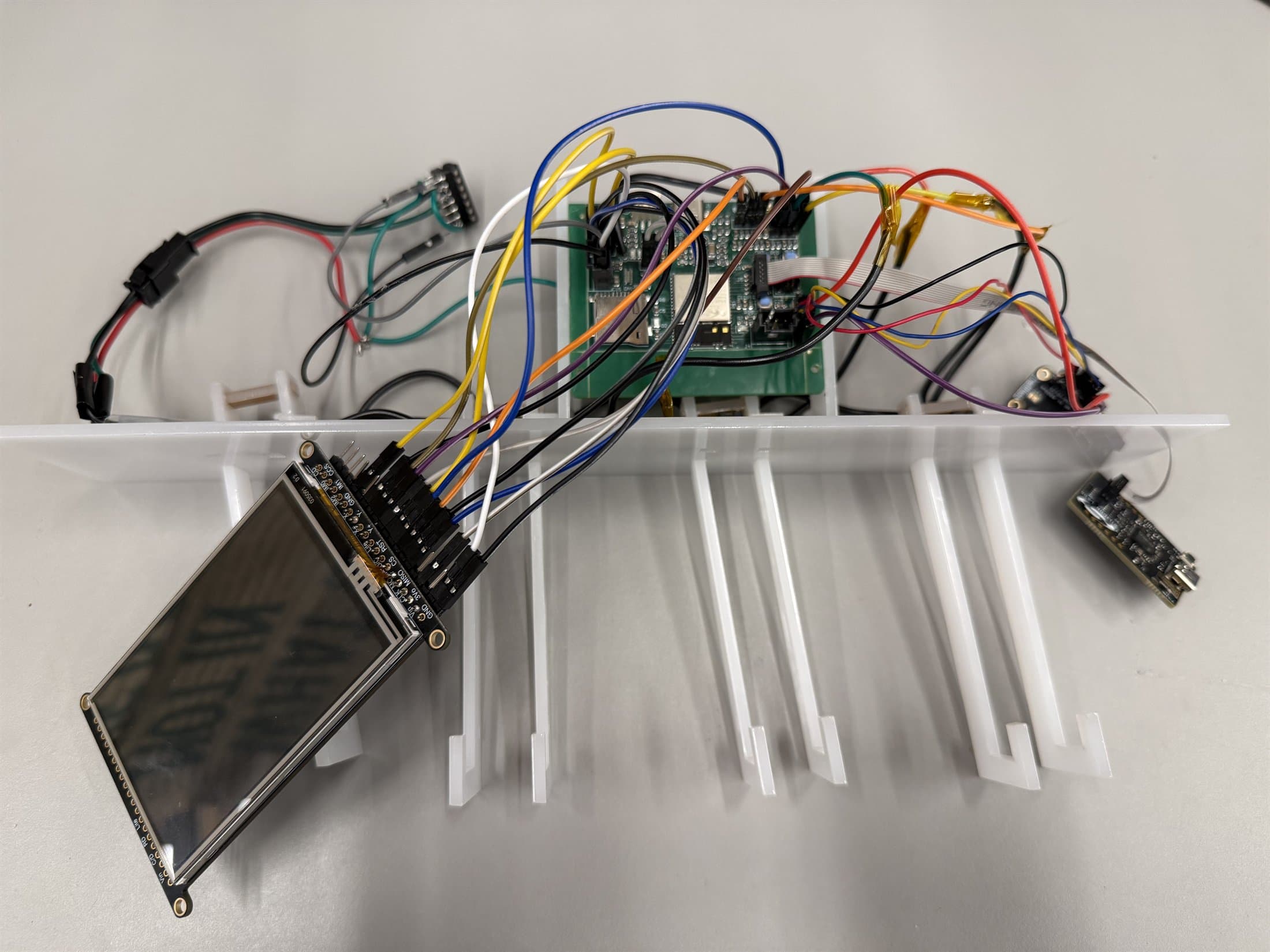
Velo hook base, PCBA, and LCD during final assembly.

Assembly

Electronics, LCD, and hook base converged into one unit.

The final assembly photos show the transition from bench wiring to an integrated product surface.

The hard parts we solved

Failures became evidence.

These are the engineering stories that make Velo feel complete: not only successful demos, but real failure modes that were isolated, fixed, and validated.

01

A/B OTA that survives real resets

Challenge
The project had to update across two firmware slots without overwriting the running image, even during jump updates such as 1016 to 1018.
Resolution
The release path now targets the inactive slot, trial boots, confirms only after runtime health, and preserves the confirmed image for fallback.
Proof
Successful 1018, 1020, 1021, 1022, 1025, and final 1026 resets stayed on the expected confirmed firmware.
02

Signed manifest trust boundary

Challenge
A cloud manifest can describe which firmware to install, so the device needed to distinguish authentic release policy from edited JSON.
Resolution
Ed25519 signature verification was added over canonical manifest fields, with the public key embedded in firmware and release-tool signing built into the desktop workflow.
Proof
Bad-signature manifests produced check failed before download or install began.
03

Payload identity, not just manifest identity

Challenge
A valid manifest is not enough if the referenced RPS file is replaced or corrupted after signing.
Resolution
The signed manifest now binds to the payload SHA256, and install rejects modified bytes before accepting the image.
Proof
The bad-payload test passed check, then failed install with the observed 0x46 rejection code.
04

LED behavior without OTA instability

Challenge
Hook LED I2S refresh collided with the OTA install path and created a real board-level failure during update testing.
Resolution
OTA install now pauses the hook LED backend, aborts pending I2S transfer cleanly, and resumes product behavior after the critical flash path.
Proof
Final releases kept LED_ON behavior while OTA install and reset persistence remained stable.